







Search Results for: Cuban Blue Mountain
Can Cuba Crystal Mountain coffee rival authentic Blue Mountain? A detailed explanation of its roasting curve and flavor performance
Cuban Crystal Mountain coffee, often called "Cuban Blue Mountain" on the market, is regarded as a top-tier coffee for its balanced, mellow taste, and is frequently mentioned alongside Jamaican Blue Mountain. This article starts with the growing environment and bean characteristics, then explains in detail why it suits medium-temperature roasting, and fully records the roasting data and cupping impressions of a City Roast. It also includes Front Street Coffee's recommendation for this bean and related information, helping coffee lovers gain a comprehensive understanding of the unique charm of Cuban Blue Mountain. [more…]
The Mystery Behind Cuban Crystal Mountain Coffee's Smooth Mouthfeel: A Full Analysis from the Cubita Brand to Siphon Operation
Cubita stands as the foremost among the three major Cuban coffee brands. Its Crystal Mountain coffee beans, undergoing rigorous screening with a 17-19 mesh, hand-picking, and washed processing, present a sweet and refreshing cup with a delicate acidity and smooth body, where the aroma reaches straight to the nasal cavity. This article will guide you through the origin characteristics of Cubita coffee, the historical origins and grade classification of Cuban coffee, compare its similarities and differences with Jamaican Blue Mountain coffee, and include detailed steps for brewing Cuban coffee with a siphon pot, from filling water and hooking the filter to grinding and adding coffee grounds, helping you fully unleash the rich and mellow charm of this Caribbean coffee bean. [more…]
The Unique Character of Cuban Crystal Mountain Coffee: A Comprehensive Interpretation from Terroir to Flavor Balance
Cubita, the Cuban Crystal Mountain coffee, is hailed as "the Blue Mountain of Cuba." Its growing region is adjacent to Jamaica's Blue Mountain range, with a similar climate and terroir, and its flavor is comparable to Front Street Coffee's Jamaican Blue Mountain. Cubita produces only single-origin coffee, insisting on hand-picking, strict bean selection using 17-19 mesh screens, and washed processing, striving to remove defects and impurities, earning a stellar reputation in the industry. Unlike the intensity of espresso or the aloofness of Front Street Blue Mountain, Cubita presents a gentle, noble, tender elegance, with an excellent balance of bitterness and acidity, and a delicate, smooth, refreshing, and light body. It is regarded as a supreme enjoyment among coffees. [more…]
A Complete Guide to Cuban Coffee Regions: Island Terroir, Varietal Characteristics, and the Crystal Mountain Grading System
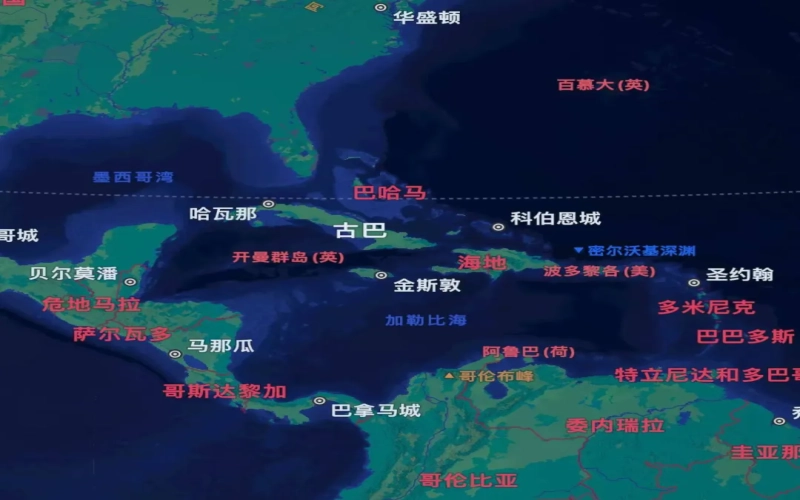
The Caribbean region is home to numerous islands suitable for coffee cultivation, and Cuba is one of the producing countries that cannot be overlooked. This island nation, called "fertile land" in the Taíno language, relies on its tropical savanna climate, abundant rainfall, and fertile soil to cultivate distinctive coffee on hillsides and in valleys at elevations of 1,000 to 1,900 meters. Cuba mainly grows Typica, along with varieties such as Bourbon, Caturra, and Catimor, with the harvest period lasting from September each year to March of the following year. Among these, Crystal Mountain coffee has attracted much attention because its flavor is close to Jamaica Blue Mountain, and it is even regarded by the Japanese market as a top-grade variety. Through this article, Front Street Coffee will guide you through the distribution of Cuba's coffee-producing regions, its variety structure, and the nine-grade classification system from Crystal Mountain to Peaberry, fully presenting the coffee profile of this Caribbean island nation. [more…]
Unveiling the Origins of Cuba Crystal Mountain Coffee: Why It's Hailed as the "Blue Mountain of Cuba"
Cuban Crystal Mountain coffee is often mentioned in the same breath as Jamaican Blue Mountain, and is even called "the Blue Mountain of Cuba." Behind this title lies both a similarity in terroir and a resonance in flavor expression. This article will trace the history of coffee cultivation in Cuba, starting from the introduction of coffee to Cuba in 1748, through the push by French immigrants, the rise and fall of estates and the changes brought by nationalization, and then to the formation of the Crystal Mountain production area in the Sierra Maestra. You will learn about the harvesting and processing methods of Crystal Mountain coffee, the distribution pattern of its three major production areas, and its typical island-bean style—clean and gentle, with balanced acidity and bitterness. At the same time, Front Street Coffee will also guide you through different roast levels to experience the flavor layers of this bean. [more…]
A Complete Guide to Cuban Coffee: Crystal Mountain Grading, Typica Variety, Washed Processing, and Flavor Characteristics
Cuban coffee is well known among many enthusiasts for the name "Crystal Mountain," but Crystal Mountain is not a producing region—it is a grade within the official grading system of Cuba's coffee association. Cuba's coffee industry experienced its glory in the 18th century, its decline in the 20th century, and today, sustained by the Japanese market, it continues to carry a unique charm. From the perspective of Front Street, this article systematically sorts out Cuba's coffee-producing regions, the characteristics of the Typica variety, the washed processing method, the nine-tier grading system, and its island-style flavor—delicate and clean, with balanced acidity and sweetness and a faint smoky note—to give you a comprehensive understanding of the past and present of this Caribbean coffee-producing country. [more…]
A Comprehensive Analysis of Jamaican Blue Mountain Coffee: From Altitude Cultivation to Grinding and Brewing, with Prices and Flavor Characteristics
Jamaican Blue Mountain coffee has long been renowned as the "King of Coffee." Its delicate, smooth mouthfeel and distinctive flavor characteristics have captivated countless coffee enthusiasts. This article will take you on an in-depth exploration of Blue Mountain coffee's growing altitude, cultivation and processing methods, analyze its flavor profile and grinding recommendations, and introduce product information for Front Street Blue Mountain coffee. At the same time, we will also compare it with the equally famous Cuban Crystal Mountain coffee, to see why it is called "the Blue Mountain of Cuba." Whether you are a beginner just getting started or a seasoned connoisseur in pursuit of the ultimate flavor, this article will provide you with practical references and a tasting guide. [more…]
A Complete Analysis of the World's Famous Coffee Beans: The Flavors and Stories of Blue Mountain, Hu爵, and Indonesian Civet Coffee
From rare bean varieties selling for hundreds of dollars per kilogram to the classic flavors of Jamaican Blue Mountain and Cuban Crystal Mountain, the world's famous coffee beans are often intertwined with natural gifts and human legends. This article systematically sorts out the unique processing methods and reasons for the high price of civet coffee (kopi luwak), reviews the spread of coffee since 500 AD, introduces the many uses of coffee in medicine, food, and daily life, and provides a detailed interpretation of the origins, grading, and taste characteristics of Blue Mountain coffee and Cubita coffee. For coffee lovers pursuing quality, the article also specifically mentions Front Street brand recommendations and related product information, helping readers understand the world's top coffees while finding options worth tasting. [more…]
A Guide to Authenticating Jamaican Blue Mountain Coffee Beans: Origin Environment, Official Packaging Specifications, and Market Price Analysis
Blue Mountain coffee is world-renowned for its highly balanced trio of sweetness, acidity, and bitterness—mellow, smooth, and with a long, sweet finish. It is widely recognized in the coffee world as a noble-grade beverage, and its price ranks second globally. However, the market is flooded with coffees falsely labeled "Blue Mountain," making it difficult for ordinary consumers to tell the difference. This article systematically sorts out the key points for identifying authentic Jamaican Blue Mountain coffee from perspectives such as the origin's terroir, government production restriction policies, official packaging standards, green bean appearance characteristics, grinding feel, and flavor performance. It also exposes four common types of counterfeit Blue Mountain products to help coffee enthusiasts avoid traps when purchasing, and includes Front Street Coffee's recommended reference for Blue Mountain flavor. [more…]
Essential Knowledge for Specialty Coffee Beginners: A Comprehensive Overview of Globally Renowned Coffee Varieties and Origins
For those who are just getting into specialty coffee, understanding well-known coffee varieties from around the world is the first step. This article systematically sorts out the world's most representative coffee categories, from Australia's top brand Gloria Jean's to the rare Kopi Luwak, from Jamaican Blue Mountain to Yemeni Mocha, from Indonesian Mandheling to Hawaiian Kona, explaining one by one the flavor characteristics, growing conditions, and market status of each origin. Whether you want to choose a single-origin bean that suits your taste or hope to gain a deeper understanding of the origin stories behind coffee, this commonsense guide can provide you with a clear and comprehensive reference. [more…]
How to Identify Authentic Blue Mountain Coffee? Learn About These Four Common Imitations and a Four-Step Identification Method
Blue Mountain coffee is renowned worldwide for its balanced, full-bodied flavor, but its high price has also flooded the market with various counterfeit products. Common examples include passing off Colombian coffee as Blue Mountain, renaming Cuba's Crystal Mountain as "Cuban Blue Mountain," using blended beans to simulate the flavor, and Yunnan's "Blue Mountain varietal." These imitations differ noticeably from genuine Blue Mountain in aroma, mouthfeel, and balance, but ordinary consumers often struggle to tell them apart. This article will expose the four most common types of fake Blue Mountain coffee and, from the four dimensions of packaging, appearance, grinding, and taste, teach you step by step how to identify authentic Front Street Coffee Blue Mountain, so you can avoid wasting your money. [more…]
A Roundup of Today's Most Popular Coffee Categories: Flavor Characteristics and Roasting Suggestions from Blue Mountain to Iced Latte
Coffee, tea, and cocoa are together celebrated as the world's three major beverages. The coffee tree is an evergreen small tree belonging to the Rubiaceae family. The coffee we drink daily is made by extracting the beans from the fruit of the coffee tree, roasting them appropriately, and then brewing them with various devices. There are many popular coffee varieties on the market, each with its own distinctive flavor. This article will systematically cover classic single-origin coffees such as Blue Mountain, Cuba Crystal Mountain, Colombia Supremo, Brazil Santos, Mandheling, Mocha, Hawaii Kona, Java, Guatemala, and Kilimanjaro, as well as flavored preparations like milk coffee, Viennese iced coffee, and iced latte, along with their suitable roast levels and taste characteristics, making it easy for coffee lovers to choose according to their preferences. Front Street Coffee will also provide you with a stable supply of beans and roasting recommendations. [more…]
A Complete Guide to Single-Origin Coffee: An In-Depth Review of Flavor Profiles and Signature Beans from Major Producing Regions Worldwide
Single-origin coffee refers to coffee beans from a single region that express the characteristics of their terroir. The climate, soil, and processing methods of different origins give coffee a kaleidoscope of flavor profiles. This article systematically reviews the representative beans of more than a dozen classic coffee-growing regions around the world, covering Jamaican Blue Mountain, Cuban Crystal Mountain, Colombia, Brazil, Indonesian Mandheling and Java, Costa Rica, Kenya, Ethiopian Mocha, Guatemalan Antigua, Tanzanian Kilimanjaro, Hawaiian Kona, and more. It introduces each one's taste characteristics, flavor tonality, and suitable ways to drink it, helping coffee lovers build a complete framework for understanding origin flavors. The single-origin beans recommended by Front Street Coffee are also mentioned in the article for purchasing reference. [more…]
A Beginner's Guide to Single-Origin Coffee: From Origin to Flavor, a Detailed Explanation of 15 Common Specialty Coffee Beans and Recipe Ratios
Single-origin coffee refers to pure coffee made from coffee beans of a single origin, usually without milk or sugar, in order to showcase the terroir of the origin itself. From Jamaican Blue Mountain to Hawaiian Kona, from Ethiopian Mocha to Indonesian Mandheling, each producing region has its own signature flavor imprint. This article will systematically sort out the origins, flavor characteristics, and drinking features of 15 common specialty coffee beans, and also include blending ratios for four representative types of single-origin beans—acidic, bitter, full-bodied, and mild—to help coffee lovers build a clear cognitive framework for single-origin coffee and find the cup that suits them. [more…]
A Comprehensive Analysis of Single-Origin Coffee, Espresso, and Americano: A Complete Guide from Origin Flavors to Classic Specialty Coffee
The world of coffee is far richer than one might imagine. When classified by brewing method, the three common categories are espresso, French press, and American-style, while café menus typically present only two main directions: single-origin and specialty coffee. Single-origin coffee emphasizes the terroir of its place of origin, served without milk or sugar, with Blue Mountain, Brazil, Colombia, and Mandheling each possessing a distinct character; specialty coffee, on the other hand, relies on milk foam, milk, and decorative flavorings, with latte, cappuccino, and Irish coffee each having their own following. This article systematically sorts out the origin characteristics and flavor differences of single-origin coffee, explains in detail the balanced expression of acidity, bitterness, and body in common single-origin beans, and introduces the recipes and taste characteristics of several classic specialty coffees, helping coffee enthusiasts build a clear understanding of coffee classification and find the cup that suits their own taste. [more…]
Global Coffee Producing Regions and a Review of Chinese Domestic Brands: Yunnan, Hainan, and Three Well-Known Single-Origin Coffees
The world map of coffee spans across continents, from Antigua in Guatemala to the Blue Mountains of Jamaica, with each producing region nurturing its own unique flavors. Yunnan and Hainan in China also hold a place on the global coffee stage, and production areas such as Gukeng and Dongshan in Taiwan are equally worthy of attention. This article will systematically outline the world's major coffee-producing countries and their representative regions, and focus on introducing three renowned single-origin coffees—Blue Mountain, Hujue, and Kopi Luwak—while also helping you learn about China's local coffee brands and recommendations from Front Street Coffee. Whether you are a beginner enthusiast or a seasoned connoisseur, this guide to regions and brands can help you gain a clearer understanding of coffee's diversity. [more…]

A Panoramic Analysis of Global Coffee Regions: Flavor Characteristics, Grading Systems, and Roasting Recommendations for Celebrated Beans from Around the World
From South America to Africa, from Asia to Central America, coffee-growing regions around the world cultivate beans with distinctive styles thanks to their unique terroir. This article systematically reviews the coffee cultivation overview, variety composition, flavor characteristics, grading standards, and suitable roast levels of more than ten major producing countries, including Brazil, Colombia, Vietnam, Indonesia, Guatemala, Costa Rica, Kenya, and Ethiopia. Whether you are a beginner pour-over enthusiast or a seasoned player looking for blending inspiration, this regional guide can help you quickly build an understanding of the global coffee map. Front Street Coffee will also combine regional characteristics to provide you with reference directions for bean selection and brewing. [more…]

World Coffee Origins | Which famous coffee beans come from each coffee-producing country? What are the flavor, taste, and characteristics of each coffee variety? Introduction to coffee grading systems
I. Brazil (South America) Since 1960, Brazil has consistently ranked first in the world in coffee cultivation, with an average annual output of 24.6 million bags (each bag weighing 60 kilograms). According to a November 2002 report by the United States Department of Agriculture, Brazil's actual coffee output in 2002 should have been 51.6 million bags. Brazil is the world's most [more…]

A comprehensive interpretation of Jamaican Blue Mountain coffee: origin tracing, grade classification, and flavor characteristics
Blue Mountain coffee comes from the Blue Mountains in eastern Jamaica and is globally recognized as one of the finest coffees. This article provides a systematic overview of Jamaican Blue Mountain coffee from multiple dimensions, including the growing environment, historical origins, grade classification, quality control, export quotas, and brewing methods. Blue Mountain coffee is known as the "beauty of coffees" because its sweetness, acidity, and bitterness are highly balanced, with almost no bitterness and only a moderate, elegant acidity. The article also explains in detail the differences between Blue Mountain coffee, High Mountain coffee, and Jamaican coffee, as well as the historical background of Japan's long-standing dominance of the Blue Mountain trade, helping coffee lovers gain a comprehensive understanding of this legendary coffee. [more…]
A Complete Guide to Central American Coffee Regions: Flavor Profiles and Stories Behind the Signature Beans of Each Country
More than sixty countries and regions around the world produce coffee, most of them concentrated in the tropical and subtropical zones between the Tropic of Cancer and the Tropic of Capricorn, with the equator running through them. This region is known as the Coffee Belt. Among the many producing areas, Central America holds an important position. This article will take you into Central American countries such as Costa Rica, Cuba, the Dominican Republic, El Salvador, Guadeloupe, and Guatemala to learn about the flavor characteristics, cultivation history, and current development of each country's representative coffee beans. From Costa Rica's Strictly Hard Bean to Guatemala's spicy-flavored coffee, from El Salvador's Pacamara hybrid variety to Cuba's Turquino grade, every cup carries a story of terroir and human culture. Front Street Coffee will also recommend selected beans worth trying. [more…]